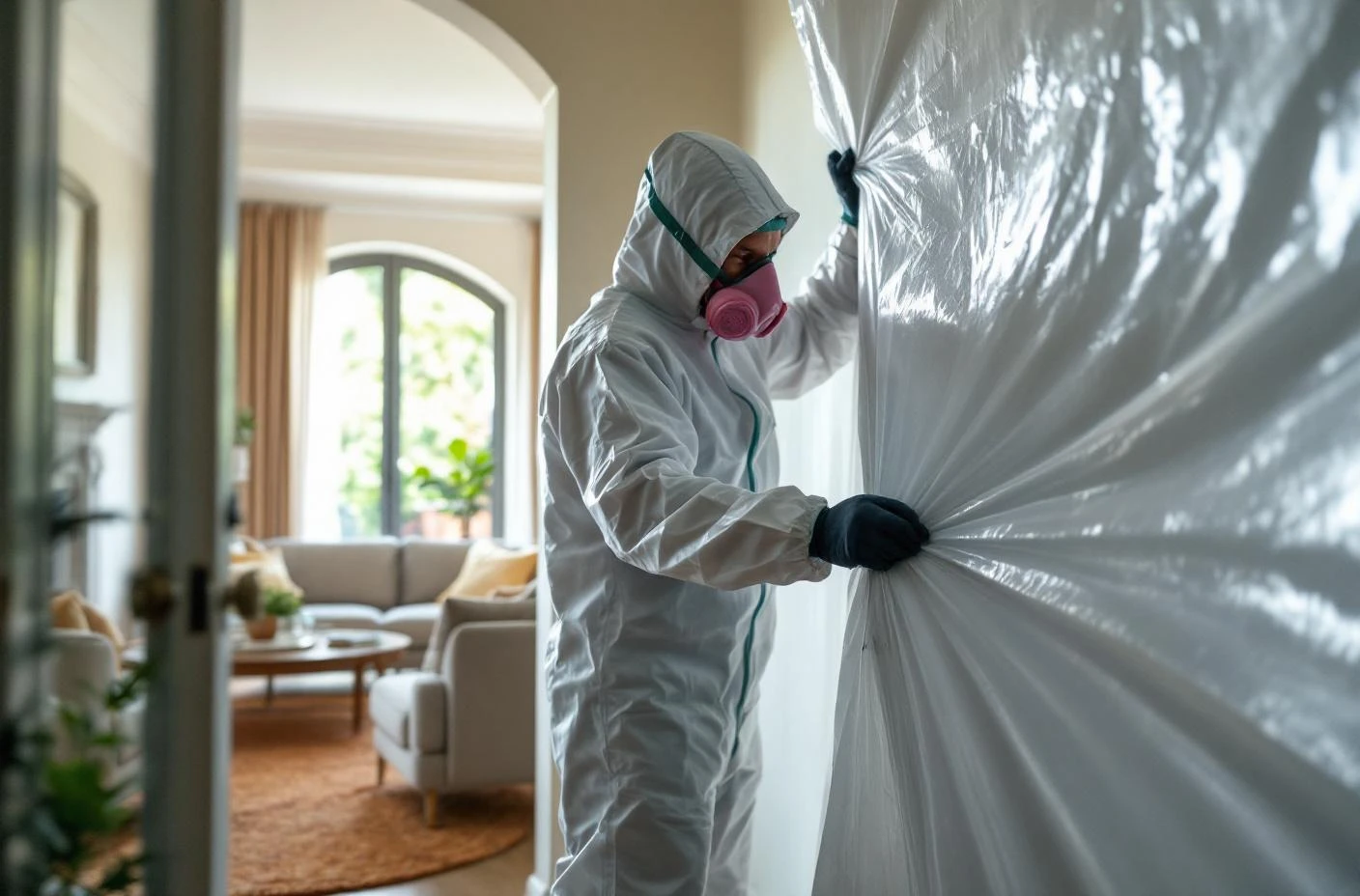
Black Mold Removal in Los Angeles
Los Angeles Black Mold Removal serves homeowners and property managers across LA County with mold remediation built on the IICRC S520 reference. Our specialists handle Stachybotrys confirmation, full Level III containment, and third-party clearance verification.
- IICRC S520 reference
- ACAC framework
- NADCA ACR 2021 protocol
- Trained specialists, LA County
Mold Severity Self-Assessment
Six questions, one minute, one clear next step. The quiz applies IICRC S520 condition logic to your specific situation.
Mold Severity Self-Assessment
A 60-second, six-question quiz that returns a tiered recommendation. Results are educational and not a substitute for a professional inspection under the IICRC S520 reference.
How We Remediate Mold in Los Angeles
Seven specialized service areas, one IICRC S520 workflow. Hover or tap any card to see what's behind it.
Mold Remediation
Full IICRC S520 mold remediation across LA County.
Full Level I–V workflow under the IICRC S520 reference, including containment, source removal, antimicrobial treatment, and clearance verification.
View Service →Inspection
ACAC-framework pre-purchase, pre-listing, and tenant-complaint inspections.
ACAC-trained inspectors deliver moisture mapping, thermal imaging, and borescope assessment with written scope reports.
View Service →Testing
Air, surface, ERMI, HERTSMI-2, and mycotoxin lab analysis.
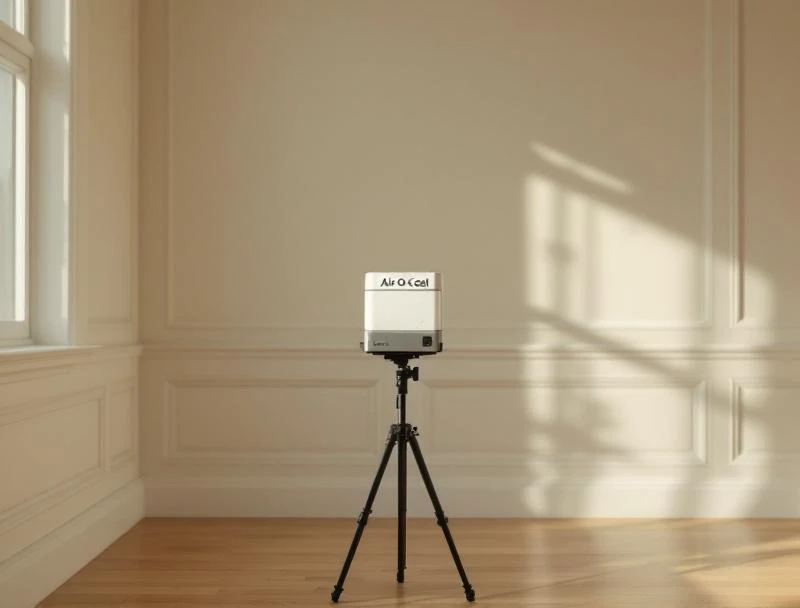
Air-O-Cell cassette sampling processed by EMLab P&K, Mycometrics, or EMSL — independent third-party labs only.
View Service →Crawl Space
Vapor barrier replacement, joist remediation, and encapsulation.
Full crawl-space encapsulation with 20-mil reinforced vapor barrier, joist borate treatment, and sub-area dehumidification.
View Service →Attic
Sheathing remediation post-atmospheric-river and ventilation upgrades.
Roof-deck sheathing remediation by dry-ice blasting plus 1:300 or 1:150 ventilation upgrades per IRC building science.
View Service →Bathroom & Shower
Tile, grout, ceiling, and behind-wall bathroom mold work.
Bathroom ceiling, shower stall, and behind-tile mold remediation with moisture-resistant drywall replacement and exhaust fan upgrade.
View Service →HVAC & Air Duct
NADCA ACR + IICRC Level V evaporator coil and ductwork remediation.
NADCA ACR ductwork remediation combined with IICRC S520 Level V containment, including evaporator coil, drain pan, and mini-split work.
View Service →What Stachybotrys Chartarum Actually Is — and Why Most 'Black Mold' Is Not
Stachybotrys chartarum is a dark-pigmented toxigenic mold species that grows on chronically wet cellulosic substrates — the paper face of gypsum drywall, the cellulose fiber in insulation, and the cellulose in wallpaper paste. The species produces macrocyclic trichothecene mycotoxins (satratoxins) under stress, which is why "black mold" carries the toxic reputation in consumer culture.
Most "black mold" reports in Los Angeles homes turn out to be different species at lab analysis. Cladosporium produces olive-green to black colonies and is the most common indoor mold in the entire LA basin. Aspergillus niger produces black colonies on bathroom surfaces. Ulocladium and Memnoniella are visually similar to Stachybotrys at room scale.
Visual identification fails roughly 30–50% of the time on dark mold without molecular qPCR confirmation. The remediation scope does not actually depend on species — IICRC S520 Level III containment applies to any visible mold over 100 sq ft on porous substrate regardless of color. Species confirmation matters for documentation, insurance claims, and tenant disputes, not for whether the work proceeds.
The brand "Los Angeles Black Mold Removal" reflects the consumer search term, not a narrower scope. Our specialists treat every suspect dark colony as a potential toxigenic species under full PPE and full containment until lab data either confirms or downgrades the threat.
Health Consequences of Toxigenic Mold Exposure in Indoor Environments
Mold exposure produces allergic, irritant, and in rare cases toxic responses depending on the species, exposure duration, and host susceptibility. The most common response is allergic rhinitis — sneezing, congestion, sinus irritation — which 10–20% of the LA population experiences seasonally and which mold exposure intensifies.
Higher-risk profiles include asthmatic responses (Aspergillus dispersal triggers asthma flares), hypersensitivity pneumonitis (immune-mediated lung inflammation), and in immunocompromised patients, allergic bronchopulmonary aspergillosis (ABPA) and invasive aspergillosis. Infants, elderly, asthmatic, and immunocompromised occupants warrant accelerated remediation scope and lower-threshold testing.
The CIRS (Chronic Inflammatory Response Syndrome) framework developed by Dr. Ritchie Shoemaker associates persistent water-damaged-building exposure with multi-system symptoms including chronic fatigue, cognitive impairment, and visual contrast sensitivity decline. The framework remains debated in mainstream medicine; clinician interpretation of mycotoxin urine panels (RealTime Lab, Mosaic Diagnostics) is required for any treatment plan based on biomarker results.
Our remediation team does not make medical claims. We document the environmental exposure, deliver clearance verification, and coordinate with the occupant's physician on any clinical follow-up. Symptoms require medical evaluation, not site claims.
Where Mold Risk Is Highest in Los Angeles County
Marine-layer "June Gloom" drives 70–90% relative humidity on coastal May–August mornings while inland San Fernando Valley sits at 30–55% RH the same morning. The chart below maps the relative pressure across LA neighborhoods.
View underlying data table
- Venice (90291)
- 70–90% RH May–Aug · HIGH risk
- Santa Monica (90402)
- 70–88% RH May–Aug · HIGH risk
- Pacific Palisades (90272)
- 70–88% RH May–Aug · HIGH risk
- Mar Vista (90066)
- 65–82% RH May–Aug · HIGH risk
- Brentwood (90049)
- 60–80% RH May–Aug · MED risk
- Hollywood Hills (90068)
- 55–75% RH May–Aug · MED risk
- Woodland Hills (91367)
- 30–55% RH May–Aug · LOW risk
- Pasadena (91101)
- 40–60% RH May–Aug · LOW risk
- DTLA (90012)
- 45–65% RH May–Aug · MED risk
- Hancock Park (90004)
- 50–70% RH May–Aug · MED risk
- Studio City (91604)
- 40–60% RH May–Aug · LOW risk
- Inglewood (90301)
- 60–80% RH May–Aug · MED risk
Los Angeles sits in the Köppen Csa/Csb Mediterranean climate zone with roughly 14 inches of annual rainfall concentrated December through March. The marine-layer pattern produces a humidity discontinuity that runs roughly along the 405 freeway corridor — coastal of the line, mornings stay above 70% RH from May through August; inland of the line, mornings drop into the 30s and 40s.
Atmospheric river events in January 2023, February 2024, and February 2025 dropped multi-inch rainfall on already-stressed envelopes and produced LA's documented multi-year mold remediation backlog. The 2025 Pacific Palisades and Eaton fires layered a second pattern — fire ash plus firefighting water plus atmospheric-river follow-up created accelerated colonization on remaining wood members across 90272 and the Eaton fire footprint.
LADWP delivers water at roughly 150–300 mg/L hardness depending on source mix, with the higher hardness in West LA driving distinct shower-scale and bathroom-mold patterns compared to the Valley. Coastal homes get the marine-layer pressure; inland homes get the temperature differential and HVAC condensation pressure — different mold etiologies, same IICRC S520 response.
Our 7-Step Mold Remediation Process
The IICRC S520 reference governs every step from initial inspection through post-remediation verification. Each step has a measurable completion criterion.
- 1
1. Inspection & Moisture Mapping
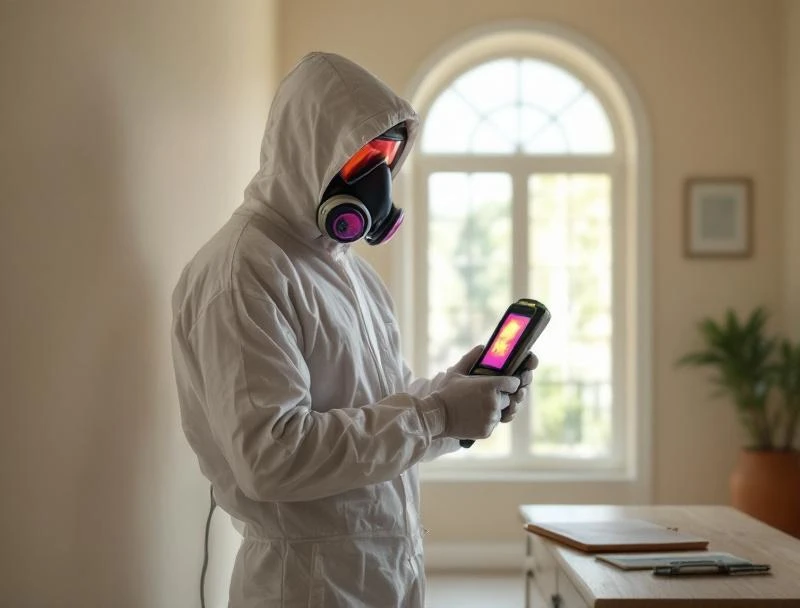
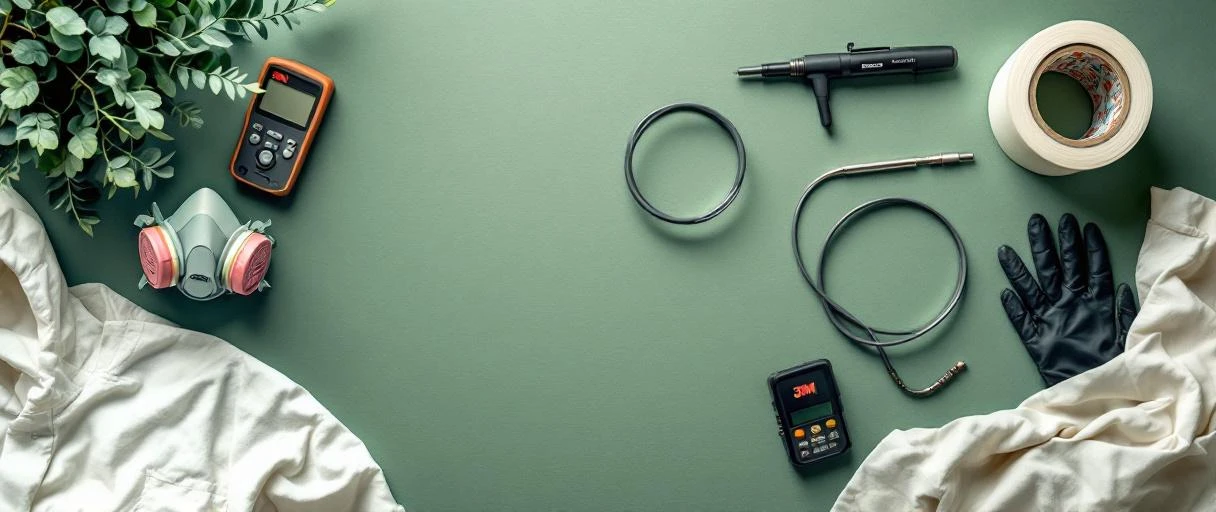
Visual assessment under IICRC S520 Section 12 with Delmhorst BD-2100 pin moisture meter, Tramex MEP non-invasive, and FLIR E-series thermal imaging.
- 2
2. Targeted Testing (if needed)
Air-O-Cell spore-trap cassettes through Buck Bio-Air pumps, outdoor-control samples, and tape-lift on suspect colonies for species confirmation.
- 3
3. Containment Setup
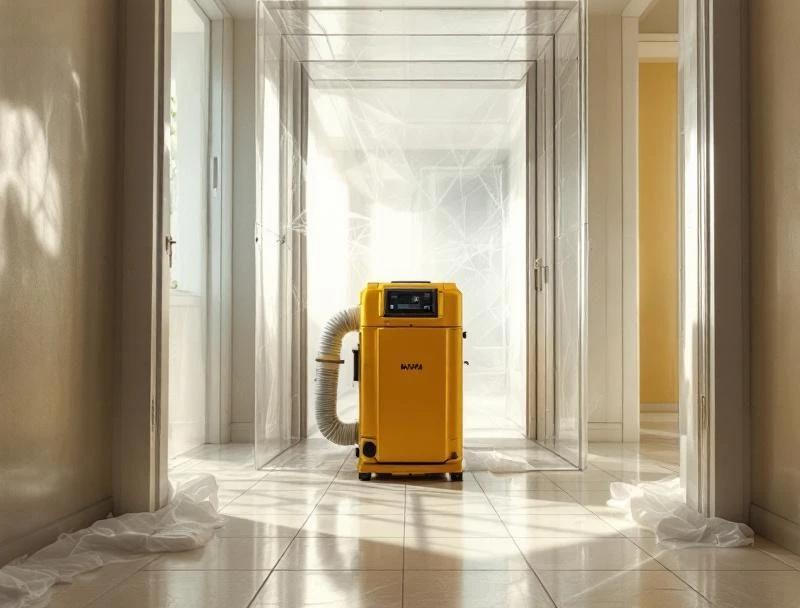
6-mil polyethylene sheeting with ZipWall, critical barriers on returns and electrical, decontamination 3-zone chamber, -5 Pa minimum negative pressure verified by manometer.
- 4
4. Source Removal
Physical removal of porous substrate (paper-faced drywall, carpet padding); dry ice blasting on framing where structural; sanding with HEPA shroud on semi-porous.
- 5
5. Antimicrobial Treatment
EPA-registered antimicrobials (Microban, Benefect, Sporicidin, Fiberlock ShockWave) applied as supplementary, never as a substitute for physical removal.
- 6
6. Reconstruction Prep
Drying to moisture content target — wood <19% MC, drywall <1% MC — verified before any new substrate is installed.
- 7
7. Post-Remediation Verification
Independent third-party clearance available — Condition 1 visual reinspection, indoor air sample ≤ outdoor control, matching species profile.
What Mold Remediation Costs in Los Angeles
Pricing scales with IICRC S520 condition class, affected square footage, surface type, and LA region. Coastal-Westside ZIPs typically run 25–35% above the basin median due to labor density.
For a scenario-specific estimate, use the cost calculator hub or the on-page calculators inside each service page.
The Most Common Mold Species in Los Angeles Homes
Five species account for the vast majority of LA indoor mold findings at lab analysis. Each presents differently across LA microclimate and housing stock.
Stachybotrys chartarum
- Color
- Dark green-black, slimy when wet
- Substrate
- Paper-faced gypsum, cellulose insulation, wallpaper paste
- Profile
- Toxigenic; produces macrocyclic trichothecene mycotoxins (satratoxins) under stress
- LA context
- Found in pre-1990 LA homes with paper-faced drywall + sustained leak history; common after atmospheric river events
- Treatment
- IICRC S520 Level III containment; full substrate removal; tape-lift + qPCR confirmation
Aspergillus (niger, fumigatus, versicolor)
- Color
- Black, green, yellow-green depending on species
- Substrate
- HVAC coils, drain pans, bathroom surfaces, dusty surfaces
- Profile
- A. fumigatus is the leading opportunistic respiratory pathogen; A. niger common in bathrooms
- LA context
- Dominant species on LA HVAC evaporator coils and condensate pans; high coastal bathroom prevalence
- Treatment
- Coil cleaning with antimicrobial; surface remediation; HVAC Level V scope under NADCA + S520
Penicillium chrysogenum / citrinum
- Color
- Blue-green, sometimes white edges
- Substrate
- Drywall, cellulose, food, fabric
- Profile
- Produces citrinin and patulin mycotoxins; allergen for sensitive occupants
- LA context
- Dominant species in 1970s SFV ranch attic-duct exterior condensation; very common in HVAC interior surfaces
- Treatment
- Substrate replacement on porous; HEPA cleaning on semi-porous; antimicrobial fog on duct interior
Cladosporium cladosporioides / herbarum
- Color
- Olive-green to black, dry powdery
- Substrate
- Drywall, plaster, fabric, bathroom ceilings, plant material
- Profile
- Most common indoor mold worldwide; primary allergen for asthmatic occupants
- LA context
- The most common species found on lab analysis in LA — present at low background levels in nearly every home
- Treatment
- Surface cleaning where minor; substrate replacement where Condition 3
Alternaria alternata
- Color
- Dark gray-green with woolly texture
- Substrate
- Window sills, shower stalls, outdoor source dominant
- Profile
- Outdoor allergen with seasonal indoor migration; asthma trigger
- LA context
- Tracked in via Santa Ana wind events; common on LA window sills May–October
- Treatment
- Source cleaning; weather-strip and seal envelope; outdoor control sampling to confirm migration vs growth
California Regulations Governing Mold Remediation Work in Los Angeles
California has no separate mold-remediator license. The regulatory frame is general contracting, workplace safety, and disclosure law — plus voluntary IICRC and ACAC credentialing as the de facto trust signal.
When Surface Cleaning Fails and Professional Source Removal Is Required
Surface cleaning with Tilex, Clorox, RMR-86, or Concrobium works on non-porous surfaces — glazed tile, fiberglass shower pans, painted metal. These products kill surface biofilm but do not penetrate the paper face of gypsum drywall or the porosity of plaster, framing, or carpet padding.
Chlorine bleach is the most-misused consumer product in mold work. Bleach is a surface kill on non-porous substrate only; on porous substrate, water in the bleach solution drives spores deeper into the material while the chlorine evaporates from the surface. The S520 standard does not recommend bleach for porous-substrate mold remediation, and California Department of Public Health (CDPH) guidance specifically warns against this pattern.
Source removal under IICRC S520 means physical demolition or mechanical removal of the colonized material — paper-faced drywall cut back 12–24 inches beyond visible growth, carpet padding bagged in 6-mil poly and disposed, framing either dry-ice-blasted or replaced when cross-section loss exceeds 30%. Antimicrobial application is supplementary, never a substitute for physical removal.
The decision point for professional scope is straightforward: under 10 sq ft on non-porous surface, surface cleaning may resolve the visible contamination if the moisture source is corrected. Over 10 sq ft, porous substrate, hidden cavity suspicion, or symptomatic occupants — any one of these triggers professional Level II or III containment.
Why Choose Our LA Mold Team
Generic expertise signals only — no claimed certifications for the site operator. Industry standards govern professional work, and our team operates within those frameworks.
Trained on IICRC S520
Every project executes against the IICRC S520 reference standard for professional mold remediation — containment, source removal, antimicrobial application, and clearance.
Coverage across LA County
Specialists routed across Westside, Hollywood/Mid-City, San Fernando Valley, Pasadena, South Bay, South LA, and DTLA — local response, not call-center dispatch.
Operating under the ACAC framework
Inspections follow the ACAC framework — moisture mapping, thermal imaging, and borescope assessment by trained mold inspectors.
NADCA ACR for HVAC
HVAC and air-duct mold work follows NADCA ACR 2021 protocol combined with IICRC S520 Level V containment on every mechanical-system project.
Third-party clearance available
Independent post-remediation verification through ACAC-credentialed third-party assessors and EMLab P&K, Mycometrics, or EMSL lab analysis.
Transparent LA pricing
Every quote names the IICRC S520 condition class, containment level, equipment list, and clearance scope — no vague line items.
LA Housing Stock and Where Black Mold Develops
Los Angeles housing stock spans 1900s Victorian through post-2000 luxury, and the construction era dictates the mold pattern more reliably than any other variable. Pre-1940 Spanish Colonial Revival in 90004 Hancock Park, 90027 Los Feliz, and West Adams uses plaster + lath wall construction — paper-faced gypsum drywall did not exist, so Cladosporium and Aspergillus dominate older homes while Stachybotrys is far less common.
1920s Craftsman bungalows in 90042 Highland Park, 90065 Mount Washington, and 90026 Echo Park use wood-frame construction with plaster, and attic mold from aged roof leaks is the dominant pattern. Mid-century hillside homes in 90068 Hollywood Hills, 90077 Bel Air, and Beverly Glen sit on raised perimeter foundations, and our crawl space mold removal services in LA address the joist colonization and vapor-barrier failures that follow Pineapple Express events.
Atmospheric-river roof leaks from January 2023 and February 2024 produced the documented multi-year attic mold remediation LA backlog that our team continues to clear across 1920s Highland Park Craftsman bungalows and 1970s SFV ranch homes. 1970s SFV ranch homes routinely placed HVAC supply ducts in unconditioned attics where supply-air temperature drops below dew point on May–August marine-layer mornings, producing chronic duct-exterior condensation and signature attic mold.
Post-2017 ADU conversions under SB-9/SB-10 fast-track permitting frequently allowed 50 CFM bathroom fans in spaces requiring 80 CFM minimum, making exhaust undersizing the dominant driver of bathroom mold in these units. Post-2000 luxury renovations use modern sealed envelopes that produce different humidity dynamics requiring dedicated dehumidification — the mold etiology changes, the remediation discipline does not.
Where Mold Develops in Los Angeles Homes
Coastal-zip bathrooms in Venice and Pacific Palisades sit in 70–90% relative humidity for the full marine-layer season, and our bathroom mold removal in LA pairs visible-surface remediation with the exhaust-fan upgrade that prevents repeat colonization. Bathroom ceilings, shower stalls, and behind-tile cavities dominate the bathroom mold pattern across coastal LA ZIPs.
Oversized AC systems that short-cycle on inland summer afternoons leave condensate film on the evaporator coil, and our HVAC mold remediation in LA pairs NADCA ACR cleaning with IICRC S520 Level V containment across the full mechanical run. Mini-split heads in modern Westside ADUs accumulate mold on the blower-wheel cage within 2–4 years despite diligent filter changes because the cage is inaccessible to homeowner cleaning.
Crawl spaces under hillside homes catch the marine-layer infiltration through foundation vents, and the 2025 atmospheric-river-on-fire-ash pattern accelerated colonization across 90272 Pacific Palisades. Attic mold from roof-leak history surfaces 6–12 months after the leak event as latent moisture migrates to drier sheathing — most of the post-January-2023 atmospheric-river attic remediation surfaced through 2024 and 2025.
Los Angeles Neighborhoods We Serve
Coverage is active across all eight LA region groups. Coastal ZIPs get same-day inspection routing during marine-layer peak season; inland ZIPs are next-day standard.
Westside
- Brentwood 90049
- Westwood 90024
- Bel Air 90077
- Beverly Hills 90212
- Santa Monica 90402
- Pacific Palisades 90272
- Venice 90291
- Mar Vista 90066
- Culver City 90232
- Marina del Rey 90292
Hollywood / Mid-City
- Hollywood 90028
- Hollywood Hills 90068
- West Hollywood 90069
- Hancock Park 90004
- Koreatown 90005
- Mid-Wilshire 90036
East / Northeast LA
- Silver Lake 90026
- Los Feliz 90027
- Atwater Village 90039
- Eagle Rock 90041
- Highland Park 90042
- Mount Washington 90065
San Fernando Valley
- Glendale 91205
- Burbank 91504
- North Hollywood 91601
- Studio City 91604
- Sherman Oaks 91423
- Encino 91316
- Tarzana 91335
- Woodland Hills 91367
- Northridge 91324
- Van Nuys 91406
Pasadena / East
- Pasadena 91101
- South Pasadena 91030
- San Marino 91108
- Altadena 91001
South Bay
- El Segundo 90245
- Manhattan Beach 90266
- Hermosa Beach 90254
- Redondo Beach 90277
- Torrance 90505
- Inglewood 90301
South LA
- Crenshaw / Baldwin Hills 90008
- South LA 90044
- Watts 90002
- Compton 90220
DTLA
- Downtown LA 90012
- Arts District 90013
- Bunker Hill 90071
Tell Us What You're Seeing
60-second form. We call you back during business hours, usually within one hour.
After You Send the Form
- 1. A specialist reviews the description and routes the case by LA region.
- 2. We call you back for a 5–10 minute scoping conversation.
- 3. On-site inspection is scheduled if the case warrants visual assessment.
- 4. Written scope and IICRC S520 condition class delivered before any work begins.
Prefer to talk? Call (323) 645-3035 for direct routing during business hours.
Explore Our Specialized Services
Each service page covers the full IICRC S520 workflow for that surface or sub-system, with LA-specific cost ranges and on-page tools.
Full IICRC S520 mold remediation across LA County.
View page → Mold Inspection Los AngelesACAC-framework pre-purchase, pre-listing, and tenant-complaint inspections.
View page → Mold Testing Los AngelesAir, surface, ERMI, HERTSMI-2, and mycotoxin lab analysis.
View page → Crawl Space Mold Removal Los AngelesVapor barrier replacement, joist remediation, and encapsulation.
View page → Attic Mold Removal Los AngelesSheathing remediation post-atmospheric-river and ventilation upgrades.
View page → Bathroom & Shower Mold Removal Los AngelesTile, grout, ceiling, and behind-wall bathroom mold work.
View page → HVAC & Air Duct Mold Removal Los AngelesNADCA ACR + IICRC Level V evaporator coil and ductwork remediation.
View page →Frequently Asked Questions
Suspect Mold? Get an LA-Local Assessment Today.
Serving all of Los Angeles County.